


Table of Contents
II. What Increases Blood Clot Risk?
VI. FAQ: When should I go to the ER for a possible blood clot?
When people hear the term blood clot, they often think of something dangerous. However, the blood’s ability to clot is necessary. Without clotting, the body could lose too much blood after an injury. A blood clot is what helps stop bleeding after a cut, scrape, or wound, something most people have experienced at some point. [1]
Blood clots can become dangerous when they form inside a vein or artery without a cut or injury. If a clot forms without a clear reason or does not dissolve on its own, it may need medical attention. Certain medical conditions can also make blood clots more likely to form inside the body. These clots can block normal blood flow, cause symptoms, and in serious cases, become life-threatening. [2]
This article explains what a blood clot is, why blood clots happen, risk factors that can increase your chances of developing one, symptoms to watch for, and how blood clots are treated.
Types of Blood Clots
A blood clot that forms inside a vein or artery is called a thrombus. When a clot forms in an artery, it is called arterial thrombosis, which is often linked to heart attacks and strokes. When a clot forms in a vein, it is called venous thrombosis, which can lead to conditions such as deep vein thrombosis (DVT) or pulmonary embolism (PE). [1]

Venous thromboembolism (VTE) includes both deep vein thrombosis (DVT) and pulmonary embolism (PE). VTE is important to understand because it can affect anyone and may lead to serious illness, long-term disability, or death in some cases. However, VTE is often preventable, and with timely medical care, it can usually be treated. [2]
Deep Vein Thrombosis (DVT)
DVT occurs when a blood clot forms in a deep vein, typically in the lower leg, thigh, pelvis, or arm. It is a medical condition that may or may not present symptoms, but should be taken seriously. [2]
Pulmonary Embolism (PE)
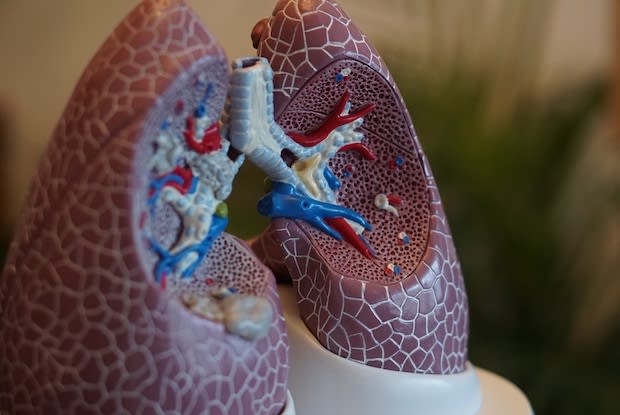
DVT can lead to a serious complication called PE. When a portion of a DVT breaks loose, it can travel through the bloodstream to the lungs and cause a blockage. This blockage in the lungs is what characterizes a PE. [2]
A small pulmonary embolism can often be treated, and many people recover with proper medical care. However, it may still cause some lung damage. A larger clot can be much more serious. In some cases, a pulmonary embolism can lead to chronic thromboembolic pulmonary hypertension, a condition where ongoing blockage or scarring in the lung blood vessels makes it harder for blood to flow through the lungs. This can become life-threatening if not treated. [2]
What Increases Blood Clot Risk?
Several factors can increase a person's risk of developing a blood clot. Genetic, environmental, and lifestyle factors all contribute to VTE risk, so it’s important to keep yourself informed.
Risk Factors for VTE:
Injury
Injury to a blood vessel wall, such as a vein, can be caused by a fracture, severe muscle injury, or major surgery (involving the hip, legs, abdomen, pelvis, or brain). [3]
Slow blood flow
Slow blood flow can be the result of a few different factors.
- Hospitalization or Surgery: Confinement to a bed due to a medical condition or surgery can increase blood clot risk. It is estimated that one-half of blood clots occur during or not long after a surgery or hospital stay.
- Limited movement: a cast on your leg or arm helps to heal the bone, but can also restrict movement.
- Sitting: Sitting for extended periods, such as on an overseas flight or driving on a long road trip, can increase risk. Crossing legs is not recommended.
- Paralysis [3]
Increase estrogen
- Birth control pills
- Hormone replacement therapy (often used after menopause)
- Pregnancy [3]
Certain chronic illnesses
- Lung Disease
- Heart Disease
- Cancer and cancer treatment
- Crohn’s disease or ulcerative colitis
- Certain heart rhythm disorders [3]
Genetic Factors
- Family history of DVT or PE
- Inherited clotting disorders: Factor V Leiden is a genetic condition characterized by a mutation of one of the clotting factors in the blood, and is a prevalent genetic risk factor for VTE [4]
Other factors
- Previous DVT or PE
- Age (as you age, risk increases)
- Obesity
- Smoking
- A catheter located in a central vein [3]
Symptoms of a Blood Clot
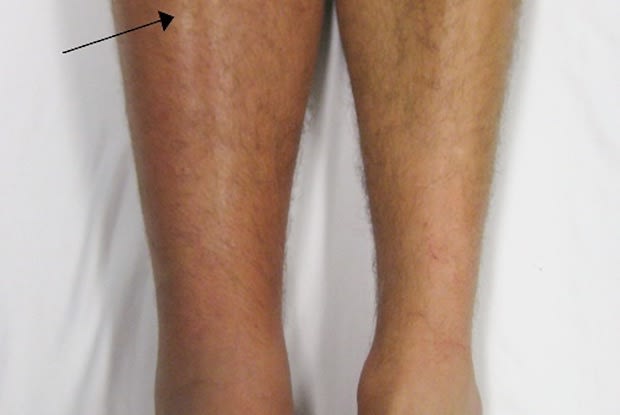
The symptoms of a blood clot may vary depending on its location and severity. Below is a list of different symptoms dependent on location.
In the arms, legs, or abdomen:
- Swelling
- Sudden or gradual pain
- Tenderness
- Reddish discoloration
- Warmth
- Nausea
- Vomiting
- Severe abdominal pain [5]
In the brain:
- Headache (sudden and intense)
- Weakness in the face, arm, or leg (usually one side of the body)
- Difficulty speaking
- Vision changes
- Dizziness [6]
In the lung:
- Shortness of breath
- Chest pain
- Sweating
- Fever
- Coughing up blood [5]
In the heart:
- Chest pain
- Shortness of breath
- Sweating
- Nausea
- Light-headedness
- Discomfort in neck, back, jaw, or arm [7]

Prevention
Stay Active
Staying active helps to keep your body moving and your blood pumping. Exercising the lower leg muscles helps to maintain blood flow in that area, reducing the risk of a DVT. When you are on a long flight, get up and move around every hour. On long car trips, stop the car every so often to walk around outside and move your legs. Walking and stretching are great ways to move the body. [2]
Eat Well
Maintaining a healthy weight may help lower the risk of thrombosis, since research has shown that being overweight or obese can increase the risk of venous thromboembolism, including deep vein thrombosis and pulmonary embolism. Diet may also play a role because it can affect coagulation factors, which are linked to the development of blood clots. [8]
Eating a heart-healthy diet that limits unhealthy fats, especially trans fats and saturated fats, may help reduce cholesterol, which is a risk factor for DVT. Choosing more whole grains and legumes can also support better health because they are high in dietary fiber and may help lower the risk of cardiovascular disease and type 2 diabetes, both of which can increase the risk of thrombosis. [8]

Don’t smoke
Tobacco use can increase the risk of blood clots. Platelets are blood cells that help clotting happen when the body needs to stop bleeding. Chemicals in tobacco can make platelets more likely to stick together unnecessarily, which can lead to clot formation. If a clot forms and travels through the bloodstream, it can block blood flow to the heart and cause a heart attack, or block blood flow to the brain and cause a stroke. [9]
Know your family history
Clotting problems can be hereditary, such as Factor V Leiden or high levels of Lipoprotein(a). It’s important to inquire about your family history of certain blood clotting conditions. There are blood tests you can take that are not included in most standard cholesterol panels, so make sure to speak with your doctor and advocate for yourself. [4]
Talk to your doctor/surgeon
Speak with your doctor about incorporating compression stockings into your travel routine to improve blood flow in the limbs. Your doctor is the best person to speak with when considering taking anticoagulant drugs in the prevention of blood clots. After surgery or an accident, you are most susceptible to blood clots. Have a conversation with your doctor and ask how they plan to reduce your risk of developing a blood clot. [2]
Treatment for Blood Clots
If you are concerned that you have a DVT or PE, seek emergency help immediately. Your doctor’s priorities will be to treat the blood clot and reduce the risk of future clots. You may be prescribed an anticoagulant, such as Xarelto, to help prevent new clots from forming. You can also ask your doctor or pharmacist about generic Xarelto, called rivaroxaban, if cost or access is a concern. Your doctor is the best person to speak with about the prevention and treatment of blood clots.
FAQ: When should I go to the ER for a possible blood clot?
Go to the ER right away or call 911 if you have symptoms of a possible blood clot, especially swelling in one leg or arm, pain or tenderness without an injury, skin that feels warm, red or discolored skin, new or unexplained shortness of breath, sharp chest pain that worsens when breathing deeply, a rapid heartbeat, lightheadedness, passing out, or an unexplained cough that may include blood. Blood clots, including DVT and PE, need fast evaluation and treatment.
When you arrive at the ER, clearly explain your symptoms and share anything that may increase your risk, such as recent surgery, hospitalization, long travel, hormonal birth control, estrogen therapy, pregnancy, postpartum status, a personal or family history of blood clots, cancer treatment, major injury, infection, or blood thinner use. This helps the ER team decide what tests or treatment may be needed.
If you think you may have a blood clot:
- Call 911 or go to the nearest ER immediately.
- Tell the ER team when your symptoms started and whether they are getting worse.
- Share recent surgery, hospital stays, travel, pregnancy, hormone use, cancer treatment, injury, infection, or clot history.
- Bring or list all medications you take, especially blood thinners.
- Ask what warning signs mean you should return to the ER after discharge.
The content in this article is intended for informational purposes only. This website does not provide medical advice. In all circumstances, you should always seek the advice of your physician and/or other qualified health professionals(s) for drug, medical condition, or treatment advice. The content provided on this website is not a substitute for professional medical advice, diagnosis or treatment.