

Table of Contents
II. Ultrasound and Injection Test
V. Treating Erectile Dysfunction
VI. FAQ: How Should I Prepare for an Erectile Dysfunction Diagnosis Appointment?
Erectile dysfunction (ED) is difficulty getting or keeping an erection that is firm enough for sex. ED can have several contributing factors, including conditions such as diabetes and heart disease, certain medications, mental health or emotional issues such as anxiety and stress, and lifestyle factors such as smoking or drinking too much alcohol. [1]
If you are regularly having trouble getting or maintaining an erection, talk to your doctor. They can help determine the cause and may recommend treatment with Cialis or another ED medication. [2] Erectile dysfunction medications are available at lower prices through Canada Drug Warehouse. Read on to learn more about how erectile dysfunction is diagnosed.
Physical Examination
A physical examination can help your doctor look for possible causes of erectile dysfunction. During the exam, your doctor may check for blood vessel or nervous system issues, hormonal problems, and physical problems affecting the penis. [3] The examination may also focus on the penis and testicles and include an assessment of your cardiovascular system. Depending on your age and family history, your doctor may perform a rectal examination to check the prostate. These examinations are generally not painful. [2]
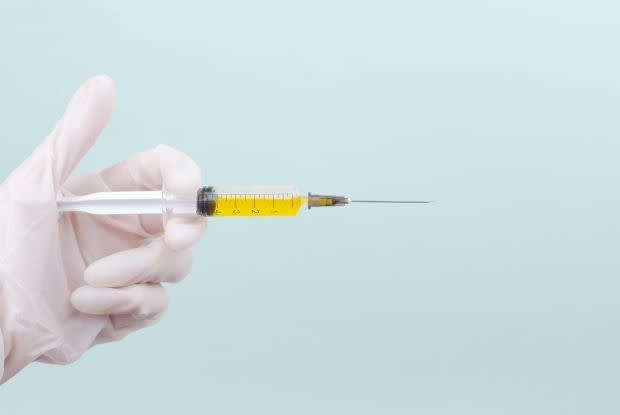
Your doctor will also ask about your medical, sexual, and mental health history, including the medications and supplements you take. [3] Health conditions and risk factors associated with ED include diabetes, high blood pressure, cardiovascular disease, high cholesterol, smoking, and drinking too much alcohol. A history of pelvic injury or surgery may also be relevant because these can damage nerves involved in erectile function. [2] Your doctor may ask about your erections, sexual desire, emotional health, and relationship to better understand and diagnose your ED. [3] Your doctor may use an ultrasound to help determine how blood flows through the penis. [3] A penile Doppler ultrasound allows your doctor to observe blood flow in the penis during and after an erection. Before the ultrasound, your doctor may inject medication into the base of the penis to cause an erection, and the ultrasound is then used to measure blood flow before and during the erection. [4] An injection test, also called an intracavernosal injection test, is another test that may be used when evaluating ED. During the test, a healthcare professional injects medicine into the penis to see whether it becomes erect, how full it gets, and how long the erection lasts. The test is usually performed in a healthcare professional’s office. [3] Your doctor may order blood tests to look for conditions that could contribute to erectile dysfunction. Blood tests may be used to check blood sugar for diabetes, cholesterol levels, and hormone levels such as testosterone and thyroid hormones. Your doctor may also request a urine sample to check sugar and protein levels, which can help determine whether diabetes or kidney disease may be contributing to ED. [4] Your doctor may ask questions about your emotional health and may use questionnaires as part of the evaluation for erectile dysfunction. Questionnaires can help assess your ability to get and maintain an erection, your satisfaction with sex, and problems with orgasm. Psychological issues such as anxiety, depression, stress, and relationship problems can cause or worsen ED. Worry about sexual performance can also contribute to erectile difficulties. [2] If physical or medical causes do not explain your symptoms, your doctor may refer you to a psychologist for further evaluation. Psychotherapy may help address psychological causes of ED, including stress, fear of sexual failure, and depression. [4] Your healthcare professional may also recommend counseling if mental health or emotional issues are affecting your ED, and counseling can help reduce anxiety and stress related to sex. [5] Your doctor will first focus on treating an underlying cause of erectile dysfunction when possible. Your doctor may also prescribe oral phosphodiesterase type 5 (PDE5) inhibitors, which improve blood flow to the penis and may help you get and keep an erection. [5] PDE5 inhibitors include Cialis (tadalafil), Viagra (sildenafil), and Levitra (vardenafil). [2] If mental health or emotional issues are affecting your ED, your doctor may recommend counseling to help reduce anxiety and stress related to sex. Lifestyle changes such as increasing physical activity, quitting smoking, limiting alcohol, maintaining a healthy body weight, and following a healthy eating plan may also help improve ED symptoms. Other ED treatment options such as implants, pumps, or surgery may be considered depending on your needs and response to treatment. [5] To prepare for an erectile dysfunction diagnosis appointment, be ready to talk openly about your symptoms, medical history, sexual health, mental health, lifestyle, and any medications or supplements you take. ED can be connected to health conditions such as diabetes, heart disease, high blood pressure, high cholesterol, certain medications, anxiety, stress, smoking, alcohol use, or a history of pelvic injury or surgery. Your doctor may use several steps to understand what is causing your ED. This may include a physical exam, blood or urine tests, questions about emotional health, or tests that look at blood flow to the penis, such as an ultrasound or injection test. Once the cause is better understood, treatment may include addressing an underlying condition, using medications such as Cialis, Viagra, or Levitra, counseling, lifestyle changes, or other ED treatment options. Before your appointment: The content in this article is intended for informational purposes only. This website does not provide medical advice. In all circumstances, you should always seek the advice of your physician and/or other qualified health professionals(s) for drug, medical condition, or treatment advice. The content provided on this website is not a substitute for professional medical advice, diagnosis, or treatment.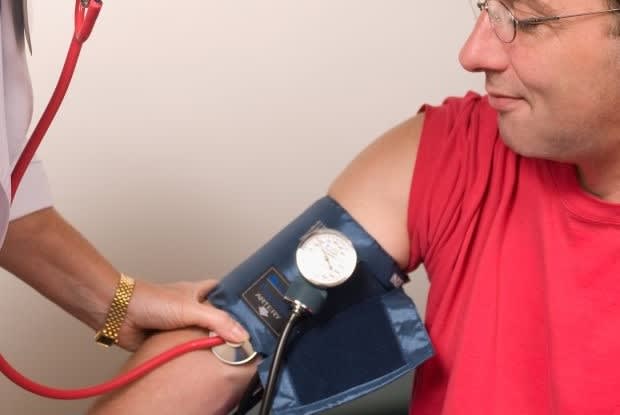
Ultrasound and Injection Test
Blood and Urine Tests
Psychological Examination

Treating Erectile Dysfunction
FAQ: How Should I Prepare for an Erectile Dysfunction Diagnosis Appointment?