

Table of Contents
II. Psychological Causes of ED
V. FAQ: How Do I Identify the Cause of My ED?
Erectile dysfunction can have a major impact on a man’s personal life and affects an estimated 30 to 50 million men in the United States. ED can develop for many reasons, and the cause is not always the same for everyone. Lifestyle habits, existing health conditions, and other personal health factors can all play a role. [1]
Those with erectile dysfunction have a problem getting and maintaining an erection during sexual intercourse. [1] There are several oral medications like generic Viagra and generic Cialis that can improve blood flow to the penis during sexual stimulation, but oral medications may only fix part of the problem. [2] Read on to learn more about the physical and psychological causes related to erectile dysfunction.
Physical Causes of ED
Erectile dysfunction can sometimes be an early sign of problems with heart and blood vessel health. An erection depends on steady blood flow to the penis, so conditions that narrow blood vessels or reduce circulation can make it harder to get or maintain one. This is why ED can be linked to health issues such as high blood pressure, high cholesterol, and atherosclerosis. [3]
Endocrine Diseases
The endocrine system is made up of major glands located throughout the body. These glands produce hormones that help regulate important functions such as growth, metabolism, sexual function, reproduction, and mood. [4]
Endocrine disorders can happen when the body produces too much or too little of a hormone. They can also occur when the body has trouble responding to hormones properly, even if hormone levels are present. [4]
Diabetes is the most common endocrine disease. [4] Many men with diabetes develop ED over time, with about half experiencing symptoms within 10 years of being diagnosed. [5]
High blood sugar can affect erections in more than one way. Over time, it may damage the nerves involved in sexual arousal and interfere with the blood vessels that allow enough blood to flow into the penis for an erection. [5]
Although ED medications are often used first, they may be less effective for men with diabetes and work for only about half of those who try them. Managing blood sugar levels well can help reduce further nerve and blood vessel damage and may slow the worsening of erectile and sexual function problems. [5]
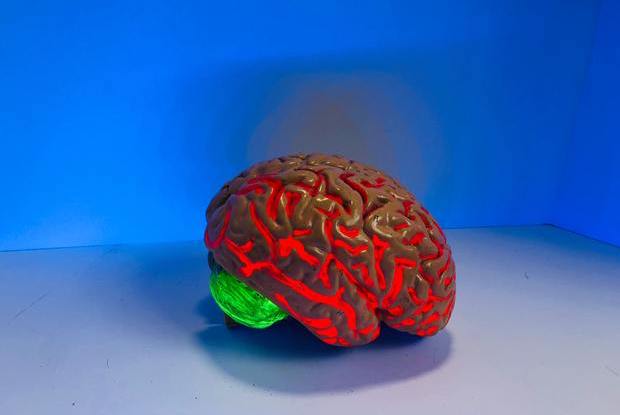
Neurological Disorders
Healthy nerve function plays an important role in getting and keeping an erection. Conditions that affect the nervous system can interfere with the signals needed for sexual arousal and erectile function. [5]
Neurological conditions linked to erectile dysfunction may include:
- Multiple sclerosis
- Parkinson’s disease
- Alzheimer’s disease
- Stroke
- Spinal cord injury [5]
Heart Conditions
Erectile dysfunction can sometimes appear before coronary artery disease. This happens because the arteries in the penis are smaller than many other arteries in the body, so reduced blood flow from atherosclerosis may affect erections before heart-related symptoms appear. [5]
An erection depends on healthy nerves, flexible blood vessels, and enough blood flow to the penis. When blood vessels are damaged by diabetes, high blood pressure, high cholesterol, or smoking, blood flow can become restricted, making it harder to get or keep an erection. Because the same blood vessel damage can also affect the heart, men with ED should be checked for cardiovascular risk factors such as blood pressure, cholesterol, diabetes, and smoking history. [6]
Psychological Causes of ED
Men should seek the advice of their doctor if they are experiencing ED, but tests and medication may not reveal the true cause behind a man’s impotence. Psychologically linked ED is much harder to detect, and a patient must have open communication with their doctor to help make a proper diagnosis. The mind and body are intricately connected, and if you are suffering from psychological issues, then your sex life may be affected. Some psychological causes of ED may include:
Anxiety
Anxiety may seem like a condition that only exists in your head, but it can manifest itself in physical ways if proper treatment is not sought. Anxiety can cause increased heart rate, blood pressure issues, and fatigue. These factors can soon bleed over into your sex life, and a person should seek the help of a professional therapist for treatment.
Stress
Stress is a condition that everyone has experienced at one time or another. Stress can take up a lot of mental energy, and it can soon affect your sexual performance. Something as simple as a presentation at work can cause problems in your sex life.

Depression
Depression can affect both mental and physical health, including sexual desire and erectile function. Some men may not recognize the signs of depression or may avoid seeking help, allowing symptoms to continue for months or even years. When depression is contributing to ED, treatment may help improve mood and sexual function over time.
Fear
If a man experiences ED once or twice because of stress, anxiety, or an underlying health issue, he may start worrying about whether it will happen again. That pressure can make it harder to relax during sex and may lead to concerns about satisfying his partner or losing sexual function. Over time, this worry can create a cycle where anxiety makes ED more likely to happen. Speaking with a doctor can help identify the cause of the problem and prevent it from becoming an ongoing source of stress.
Medications
Some medications can affect sexual function. If you develop ED, do not stop taking any prescribed medication on your own. Instead, talk to your doctor if the problem continues, since they may be able to adjust your dose, switch medications, or recommend another treatment option.
Medications that may contribute to ED include:
- Antidepressants
- Appetite suppressants
- Antihistamine
- Blood pressure medication
- Chemotherapy
- Some pain relievers, such as NSAIDs
- Sedatives
- Ulcer medications [7]

Treatment
If you have an existing health condition, it is important to keep an open conversation with your healthcare team. Some medical conditions and medications can affect sexual function, but your doctor may be able to adjust your treatment plan, change the dose, or recommend another medication to help reduce sexual side effects. Medications like Viagra and Cialis can help improve blood flow to the penis during sexual stimulation, but they may not be enough for everyone. The right treatment depends on what is causing the ED, including physical health, mental health, medications, lifestyle factors, or a combination of these.
Psychological effects can be much harder to treat because stress and anxiety are intangible symptoms that can’t be measured on a scientific scale. If you are experiencing anxiety or stress and it’s affecting your sex life, then you may need to seek talk therapy. This treatment can give you, or you and your partner, a place to have a productive dialogue to determine the root cause of your erectile dysfunction.
FAQ: How Do I Identify the Cause of My ED?
The best way to identify the cause of erectile dysfunction is to talk to your doctor instead of trying to guess on your own. ED can be caused by physical conditions, mental health factors, medications, or a combination of these. It can also be an early sign of issues affecting blood flow, heart health, blood pressure, or blood sugar, so getting checked is important.
Your doctor may ask about your symptoms, health history, medications, lifestyle, stress, mood, and relationship concerns. They may also recommend tests to look for conditions like diabetes, high blood pressure, heart disease, low testosterone, or other health problems. If a medication may be contributing to ED, do not stop taking it on your own. Your doctor can help decide whether a change is safe.
To help identify and address what may be causing your ED:
- See your doctor for a full health evaluation.
- Ask about testing for diabetes, heart disease, high blood pressure, or hormone changes.
- Review your current medications with your doctor.
- Be honest about stress, anxiety, depression, or performance concerns.
- Discuss whether relationship issues may be affecting your symptoms.
- Ask whether therapy may help if emotional factors are involved.
- Ask whether ED medications like Viagra or Cialis are appropriate for you.
- Follow up if symptoms persist or treatment is not working well.
The content in this article is intended for informational purposes only. This website does not provide medical advice. In all circumstances, you should always seek the advice of your physician and/or other qualified health professionals(s) for drug, medical condition, or treatment advice. The content provided on this website is not a substitute for professional medical advice, diagnosis or treatment.